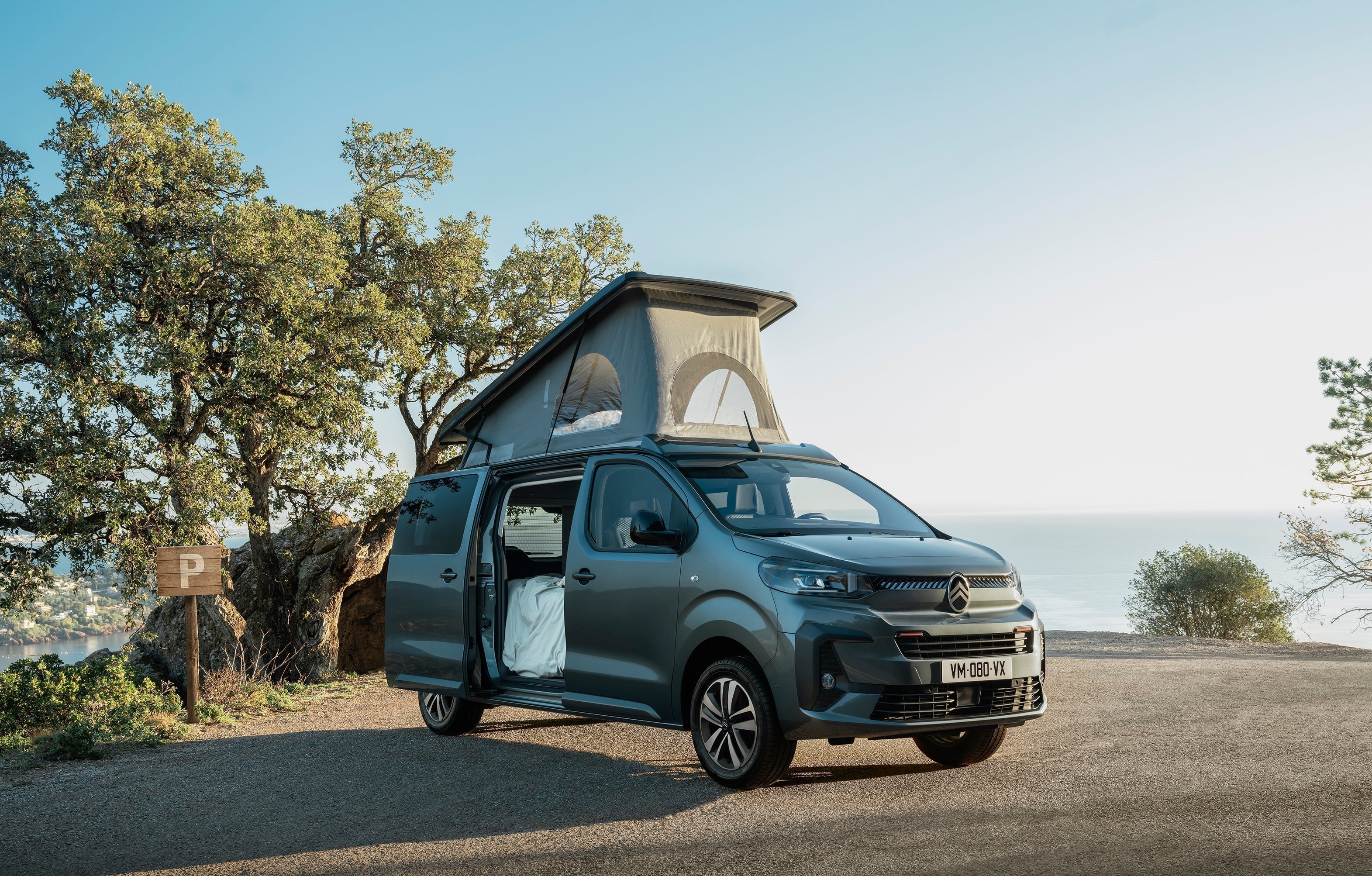

According to ADAC measurements, electric cars lose up to 30% of their range at temperatures around freezing; in extreme cold and with the interior heater on, this can rise to as much as 40%. For electric campers like the Kia PV5 Electric or the upcoming Renault Trafic E-Tech, this means that any self-sufficient solution that doesn’t require electricity will become more valuable in the fall.
In a nutshell:
-
According to the ADAC, electric cars lose up to 30% of their range in cold weather, and in some cases up to 40% when the heater is used heavily
-
Main reasons: cabin heating, lower battery efficiency in cold weather, higher rolling resistance
-
BOXIO TOILET and WASH require no electricity—unlike the pump or heating systems found in other solutions
-
If you want to remain self-sufficient in the fall, you should specifically look for equipment that doesn’t require electricity
-
Practical tips for range management in an electric camper
Why electric cars lose range in the fall and winter
Three factors combine when temperatures drop. First, unlike in internal combustion engine vehicles—where waste heat from the engine is utilized—the interior heating in electric cars draws power directly from the battery. Second, the chemical efficiency of the battery cells decreases in cold weather, meaning less energy is actually usable. Third, rolling resistance increases on wet or wintery roads. According to ADAC measurements, this can collectively lead to a range loss of up to 30%, and in some cases up to 40% for vehicles without a heat pump and with heavy use of the heater.
What this means for your everyday life in an electric camper
For frequent e-camper travelers, this is more than just a footnote: If you’re planning a relaxed 350 km range in the summer, you should realistically expect 250 km or less in the fall. This not only changes your route planning but also how carefully you manage every watt on board.
Saving Power Where It Counts: Self-Sufficiency Without Electricity
This is exactly where the advantage of camping gear that works entirely without electricity comes into play.
A dry toilet instead of a chemical toilet with a pump. Many traditional camping toilets use electric flush pumps. The BOXIO TOILET, on the other hand, requires no electricity at all—a small difference, but one you’ll definitely notice in the fall.
BOXIO WASH instead of an electric water pump. It’s also worth considering power-free solutions for the sink: BOXIO WASH works entirely without an electric pump, thereby further conserving your already limited range.
5 Practical Tips for Extending Your Range in an Autumn Camper
-
Use the preheating function while charging instead of turning the heater on only while driving.
-
Prioritize seat heating over cabin heating when available—it uses significantly less energy.
-
Check tire pressure regularly, as low pressure further increases rolling resistance.
-
Opt for camping gear that doesn’t require electricity (separate-chamber toilet, portable sink without a pump).
-
Plan charging stops realistically based on reduced fall range, not summer figures.
Frequently Asked Questions About the Range of Electric Campers in the Fall
How much range does an electric camper really lose in the fall? According to ADAC measurements, up to 30% at temperatures around freezing; with heavy use of the heater and without a heat pump, this can sometimes reach up to 40%.
Why does the heating system in an electric car consume so much electricity? Because electric cars cannot use waste heat from an internal combustion engine for heating—all heating power comes directly from the drive battery.
Is there camping equipment that works entirely without electricity? Yes, for example, the BOXIO TOILET and BOXIO WASH—both operate without electric pumps or heating elements.
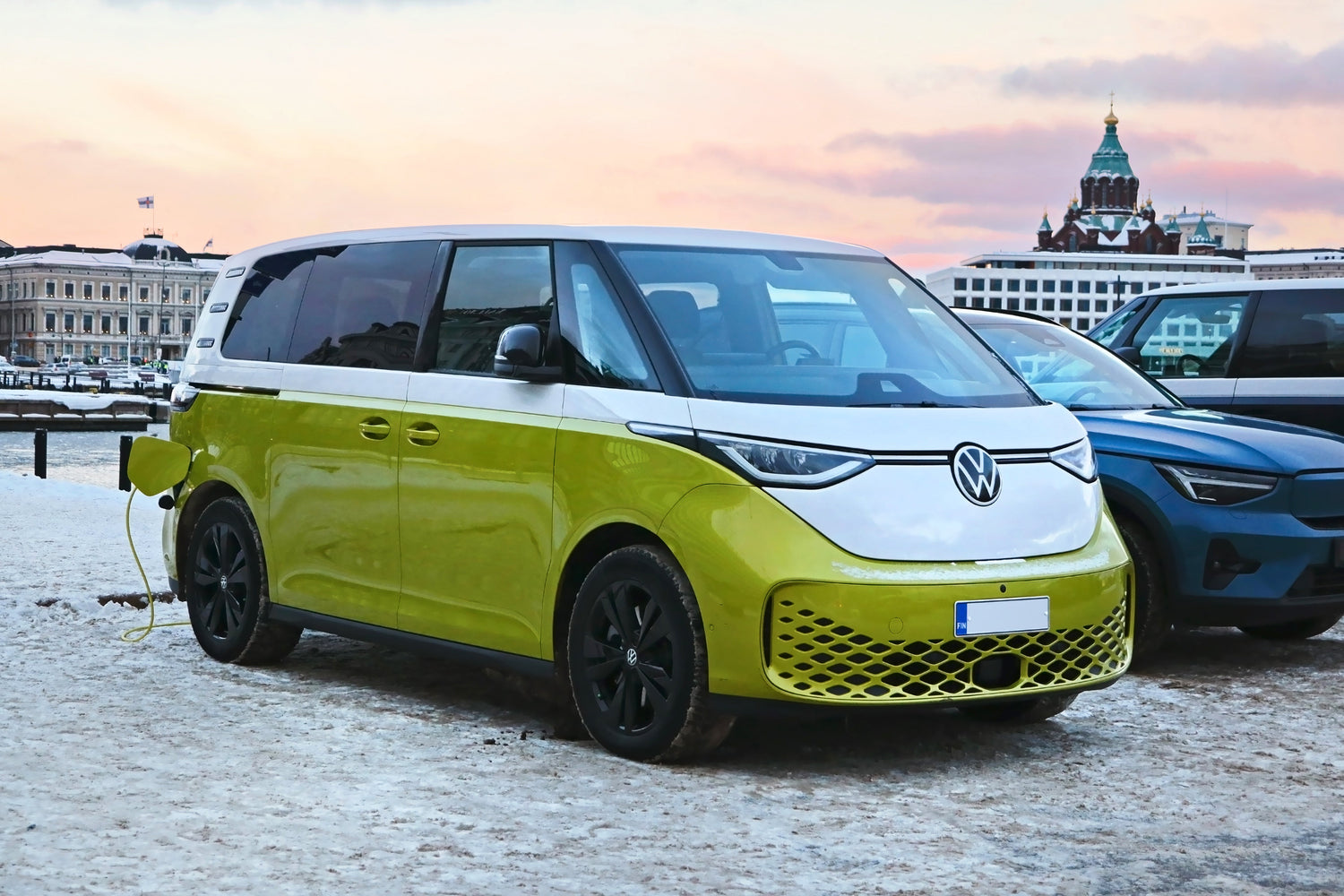
Which electric campers will be available for van life in 2026? Among others, the Kia PV5 Electric, the VW ID Buzz, and the Renault Trafic E-Tech Electric, expected by the end of 2026.
How can I optimize my electric camper’s range in the fall? By preheating while charging, prioritizing seat heating, regularly checking tire pressure, and planning realistic routes using fall conditions rather than summer ones.
Conclusion
Range loss in the fall is real and measurable for electric campers—but that’s no reason to give up self-sufficiency. By specifically choosing off-grid solutions like the BOXIO TOILET and WASH for your camping gear, you’ll maintain full control over your range even as temperatures drop.
Internal Links: camping-with-kia-pv5, camping-in-the-vw-id-buzz, camping-with-tesla-model-y, Separating Toilet Product Page, WASH Product Page CTA: Separating Toilet Product Page